
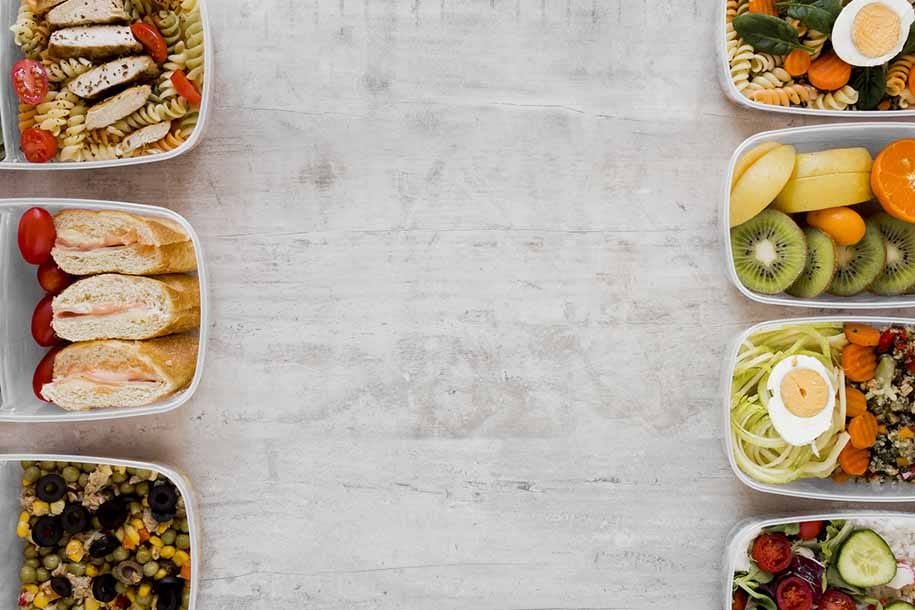
Do you feel like you have to figure out what to eat every day? Or that you struggle to stick to healthy choices due to lack of time? Then meal prepping is for you.
Meal prepping, or preparing meals in advance, means making food for several days at once. That saves you time, money, and stress – and it also helps you eat healthier.
Meal prepping is no longer just for avid athletes or people on a strict diet. More and more people are discovering how practical it is. Whether you want to fall off, Whether you want to build muscle mass or simply make your week more organized – with meal prepping, you always have a nutritious meal within reach.
The benefits of meal prepping
Meal prepping has many benefits, especially if you have a busy life. Here are the most important ones:
- Time saving: you only need to be in the kitchen once or twice a week.
- Healthier choices: because you decide what you eat in advance, you avoid impulsive (less healthy) choices.
- Saving money: by buying in bulk and throwing away less food, you save money.
- Stress-free eating: no last-minute panic about what to cook or grocery shopping.
- Bonus: If you exercise or work on your body, meal prepping helps you stay in control of your nutrient intake. You know exactly what is in your meals.
This is how you start meal prepping
The idea of preparing trays full of food might seem a bit overwhelming at first, but it doesn't have to be complicated at all. Here's how to go about it:
1. Plan your meals
First, consider for which moments you want to prep: just lunch? Or also dinner and snacks? Start small, for example with three lunch meals for the coming days.
2. Choose simple recipes
Opt for recipes with few ingredients that keep well and don't take too much time. Think of: rice with chicken and vegetables, pasta with lentil bolognese, or wraps with hummus and grilled vegetables.
3. Make a shopping list
Write down everything you need. Preferably buy in bulk (think of rice, beans, chicken breast, frozen vegetables), as this is often more economical.
4. Set aside a moment for your cooking day
Most people choose Sunday and/or Wednesday as their fixed prep day. Make sure you have 1 to 2 hours available and perhaps turn it into a music moment.
5. Divide and store
Use reusable glass or BPA-free plastic containers with tightly fitting lids. Label with the date if desired. Meals can be stored in the refrigerator for about 3 days, and often longer in the freezer.
What is good at prepping?
Not every dish is suitable for keeping for days. Below are some ideas for foods that keep well and stay tasty:
Carbohydrates:
Rice (white or brown)
Quinoa
Couscous
Whole wheat pasta
Sweet potato (roasted or steamed)
Proteins:
Chicken breast or turkey
Boiled eggs
Lentils or chickpeas
Tofu or tempeh
Tuna (canned) or salmon
Vegetables:
Broccoli, cauliflower, carrot (steamed or roasted)
Bell pepper, zucchini, eggplant (grilled)
Frozen vegetables (always handy)
Spinach or kale (briefly sautéed)
Snacks & breakfast:
Overnight oats with fruit
Greek yogurt with nuts
Boiled eggs
Energy balls with oatmeal and dates
Note: it is best to add raw leafy greens, avocado, and tomato just before eating, as they wilt or turn brown quickly.
Common mistakes (and how to avoid them)
You can also make mistakes when meal prepping, especially in the beginning. Here are the most common ones and how to avoid them:
Trying to do too much at once: start with one type of meal (e.g., lunch) and build up gradually.
Lack of variety: eating the same meal five times is boring. Vary the spices, sauces, or combinations.
Wrong storage containers: cheap containers leak or close poorly. Invest in a good set.
No space in the fridge/freezer: check if you have enough space before you start.
Don't plan what you need: avoid having to go back to the supermarket halfway through.
Meal prepping your way
Meal prepping isn't a rigid routine, but a system you can adapt to your own life. Maybe you prepare three lunches for work on Sunday, or perhaps you cook extra on Wednesday evening for two days' dinner. It's all about convenience and control over your nutrition.
Do you find it difficult to bring cold food? Then choose dishes that you can heat up. No microwave at work? Then wraps, pasta salads, or oatmeal pots are ideal cold options.
Finally: start small and keep it fun
Don't be intimidated by Instagram-worthy meal prep plans with 20 containers in perfectly even rows. Just start with what works for you. One healthy meal a day from a container is already a win. And if you handle it smartly, it becomes almost addictive how much peace of mind and overview it gives you.
Try it for a week. Who knows, you might not want anything else after that.
Could you use help putting together a good prep plan? Book a free consultation with our nutritionist value €95

About Kitty Atsma
Kitty is a passionate nutrition specialist and vitality coach with a broad scientific basis in nutrition and exercise. As a member of the national examination committee of the TCI (Nutrition Specialist & GWC), she monitors the quality of the field at the highest level. As a professional blogger, Kitty combines her in-depth expertise with the possibilities of AI to make complex health topics accessible. She curates and controls the technology to get to the heart of the matter, where her own vision and years of practical experience always determine the course.
Nutrition Specialist Teacher | BGN Weight Consultant | Member TCI Examination Board | Vitality coach
 English
  Dutch
Dutch