
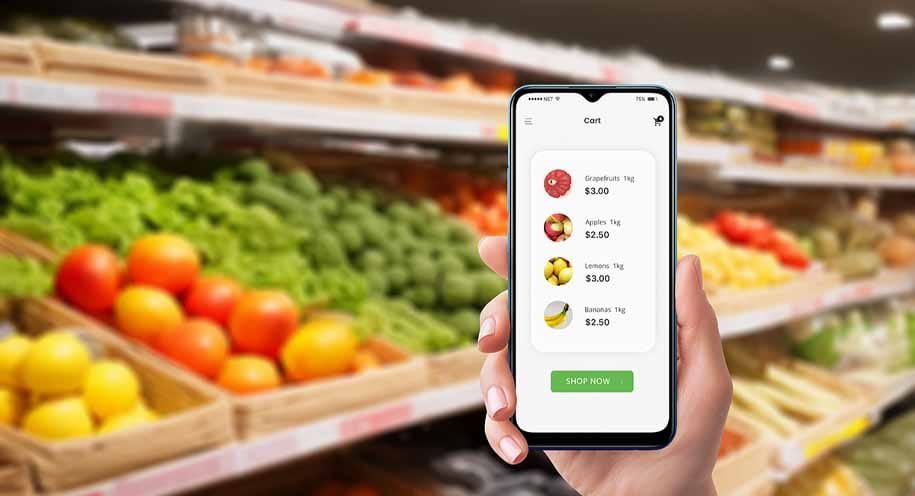
Shopping was once a weekly activity where people went to the supermarket with a list to put everything together. Today, that whole process has changed drastically. With the advent of grocery apps, it's easier than ever to stock your pantry, plan meals and find inspiration. These digital tools have quickly gained a permanent place in everyday life, because they not only make life easier, but often also more fun and efficient.
The rise of grocery apps
The use of grocery apps has grown enormously in recent years. Where you used to depend on paper, pen and your own memory, you can now arrange everything via your smartphone. From selecting products to having your groceries delivered: everything is fast, clear and often cheaper. Companies are responding to this by continuously developing their apps. Nowadays there are apps with which you can not only fill a shopping cart, but also create recipes, view nutritional values or immediately repeat groceries based on your previous purchases.
Well-known names that have a large share of the market include Albert Heijn with the AH app, Jumbo with the Jumbo app, PLUS, Picnic, Crisp and flash delivery services such as Flink and Getir. Each of these providers tries to offer added value to consumers in a unique way. One app focuses strongly on ease of use and fast delivery, while another focuses mainly on freshness or inspiration through recipes.
Recipes and meal planning
A notable advantage of many grocery apps is that they go beyond simply offering a list of products. Platforms such as the AH app and Jumbo app offer extensive recipe databases that you as a user can choose from. The great thing about this is that you can often immediately add the ingredients to your shopping cart. This means no longer has to struggle with putting together a shopping list: you choose your recipe and the necessary products are ready.
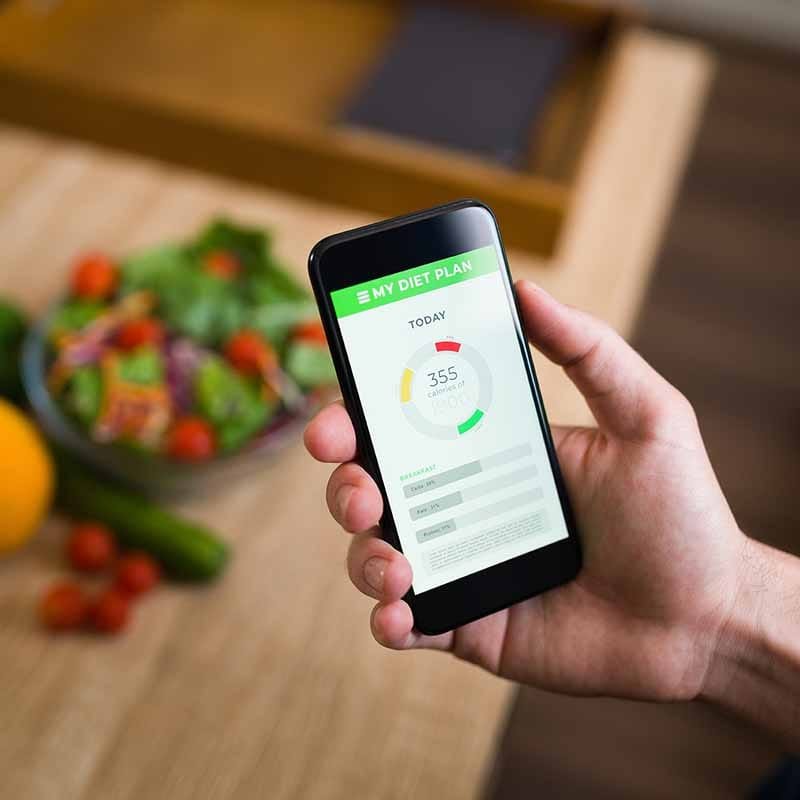
This makes meal planning much easier, especially for busy families. Parents who think every day about what to put on the table can put together a weekly menu with just a few clicks. Many apps also take dietary preferences and allergies into account: vegetarian, gluten-free or protein-rich, everything can be filtered. The convenience of this not only saves time, but also makes healthy and varied eating more accessible.
Personalization convenience
What really makes grocery apps powerful is the personalization. Because these apps build a digital profile of the user, they can make suggestions based on previous purchases. You will receive offers that suit you, reminder notifications when your favorite product is on sale, and often even suggestions for new products that match your preferences.
Convenience also plays a major role. Via apps you can easily place a repeat order, load your groceries based on your previous list or have everything delivered at a time that suits you. Some apps, such as Picnic, are known for their fixed delivery times and friendly service, while flash delivery companies such as Flink and Getir focus on speed and convenience, with products often at your doorstep within ten minutes.
The social aspect
What is often forgotten is that grocery apps can also have a social component. Many apps offer the option to share lists with family members or roommates. This means that everyone can contribute to filling the list, preventing certain products from being forgotten. This offers enormous advantages, especially for larger households or students living together. It eliminates the well-known problem of duplicate purchases and ensures that everyone maintains an overview.
Some apps even go a step further and link their platform to smart kitchen appliances or other household apps. This creates an integrated system where smart refrigerators report what is almost empty and apps automatically make a suggestion to add it to your basket. These types of technological innovations are still in their early stages, but they show the potential there is in this market segment.
Save through smart use
In addition to convenience, grocery apps also often offer financial benefits. You can save a lot by using digital bonus cards, discount coupons and personalized offers. Where previously a supermarket visit often ended with impulse purchases, apps ensure that you buy more consciously. You see the prices in advance, you can easily compare different brands and you immediately know what the total amount will be.
In addition, many apps offer savings systems or discounts on specific products. This is a big plus for consumers who want to keep track of their expenses. The overview that the apps provide ensures that you will not be faced with any surprises, and those who make smart use of offers can even significantly reduce their weekly grocery budget.
Inspiration and variety in the kitchen
Another important advantage is the way in which grocery apps contribute to variety in the kitchen. Many people quickly fall into routines when it comes to food. Think of pasta, stew or the same salad that comes back again and again. Thanks to the recipe databases within the apps, you can be inspired by seasonal dishes or what is currently on offer.
This can also serve as an incentive to try new vegetables or ingredients that you would normally not put in your shopping cart. Some apps even offer suggestions based on what you have left at home, reducing food waste. This not only makes cooking more creative, but also more sustainable.
Difference in popular apps
Each major grocery app has its own strengths.
AH app: offers an extensive recipe library and personal bonus offers. You can add products directly from a recipe to your basket and the app integrates with the physical bonus card.
Jumbo app: emphasizes price and freedom of choice. Here you will also find an integrated recipe function. It is useful that you can place your order online and choose to collect it or have it delivered.
PLUS app: is known for local involvement and personal offers. The app is comparable in functionality to that of other major supermarkets.
Picnic: focuses entirely on delivery and works with fixed time slots. By making smart logistical use of electric cars, Picnic is known for efficiency and user-friendliness.
Crisp: specializes in fresh and high-quality food, often directly from local producers. A favorite for consumers who are willing to pay a little more for premium products.
Flink and Getir: super-fast flash delivery companies that are especially useful for spontaneous or last-minute purchases. They focus on speed instead of supply.
The future of grocery shopping
Looking to the future, grocery apps are expected to become even smarter and more extensive. Think of artificial intelligence that puts together personalized weekly menus, dynamic price comparisons that immediately show you the cheapest option and even more connections with smart devices in the home. Sustainability will play a major role in this, because both companies and consumers are becoming increasingly conscious of food and waste.
Today's apps are already an important step forward, but are likely only the beginning of a much broader digital transformation of how we handle food and groceries.
Conclusion:
Grocery shopping apps have dramatically simplified everyday life. They save time, money and effort, and make it possible to eat smarter, more consciously and healthier. With features like recipe integration, shared lists, personalized offers and lightning-fast delivery, they're more than just a digital shopping bag. They have become an essential tool for modern households.
Whether you choose the extensive recipes and bonus offers of the AH app, the convenience of Picnic, or the speed of Flink, one thing is clear: shopping today is no longer a lengthy, sometimes stressful job, but an easy-to-manage part of life. Thanks to shopping apps, we have more time, more overview and, above all, more relaxation.
Do you need help putting together a healthy shopping list that suits your diet? Request a consultation with our nutritionist now.

About Kitty Atsma
Kitty is a passionate nutrition specialist and vitality coach with a broad scientific basis in nutrition and exercise. As a member of the national examination committee of the TCI (Nutrition Specialist & GWC), she monitors the quality of the field at the highest level. As a professional blogger, Kitty combines her in-depth expertise with the possibilities of AI to make complex health topics accessible. She curates and controls the technology to get to the heart of the matter, where her own vision and years of practical experience always determine the course.
Nutrition Specialist Teacher | BGN Weight Consultant | Member TCI Examination Board | Vitality coach
 English
  Dutch
Dutch